Solar Maintenance Tips for Long-Term Performance

1. Keep Panels Clean
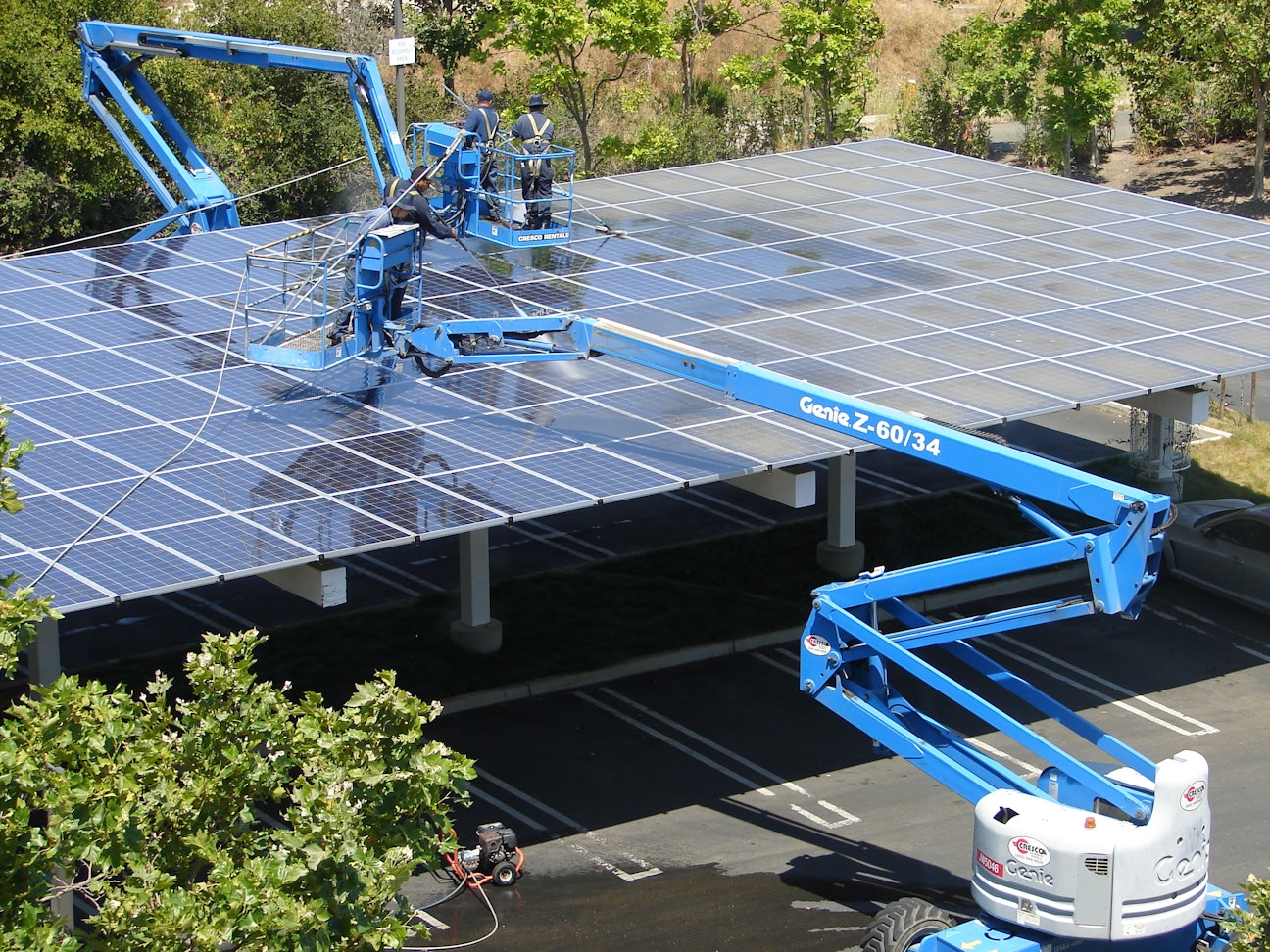
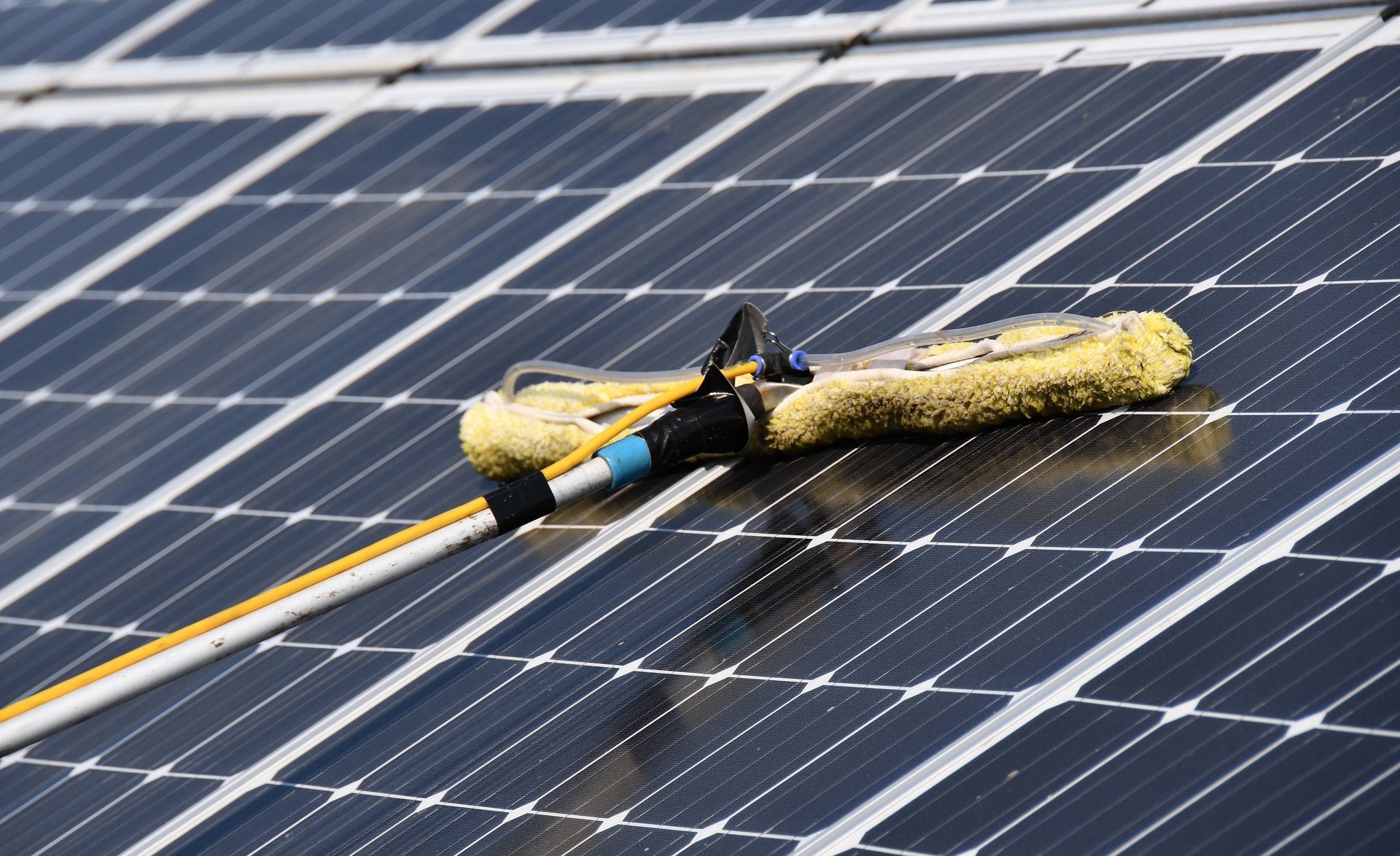
Dust, dirt, leaves, and bird droppings can reduce panel efficiency by blocking sunlight. In most climates, rain naturally helps rinse panels, but occasional cleaning may still be necessary.
Best practices include:
Rinsing panels with water during cooler parts of the day
Using a soft brush or sponge (avoid abrasive materials)
Avoiding harsh chemicals
Hiring professionals for hard-to-reach rooftops
Even small amounts of debris can slightly reduce output over time, so keeping panels clean supports optimal performance.
2. Monitor System Performance
Most modern solar systems include monitoring software that tracks energy production in real time. Regularly checking your monitoring app allows you to quickly spot unexpected drops in output.
Watch for:
Sudden decreases in daily production
Inverter error messages
System alerts or notifications
Catching issues early prevents minor problems from becoming costly repairs.
3. Inspect for Physical Damage
Although solar panels are built to withstand harsh weather, occasional visual inspections are recommended. Check for:
Cracked glass
Loose mounting hardware
Shading from newly grown tree branches
Signs of corrosion near wiring
If you notice any damage, contact a qualified technician for professional assessment.
4. Schedule Professional Inspections
While DIY checks are helpful, scheduling a professional inspection every few years ensures the entire system — including wiring, inverters, and mounting structures — remains in excellent condition.
A certified technician can:
Test electrical connections
Verify inverter performance
Ensure mounting integrity
Confirm system efficiency levels
Professional evaluations provide peace of mind and extend system lifespan.
5. Maintain Surrounding Environment
Solar efficiency depends heavily on sunlight exposure. Over time, nearby trees or new structures may create shading issues.
Trim overhanging branches and ensure no new obstructions are blocking direct sunlight. Even partial shading can significantly impact energy production.
6. Understand Warranty Coverage
Most solar panels come with 20–25 year performance warranties, and inverters typically have separate warranty terms. Keep documentation organized and understand what is covered in case repairs are needed.
Being aware of warranty details ensures you can act quickly if equipment underperforms.
7. Prepare for Seasonal Changes
Different seasons can impact system performance. Monitoring production trends throughout the year helps you understand normal fluctuations and identify irregularities.
Following consistent solar maintenance tips ensures your system adapts well to seasonal weather patterns and continues operating efficiently.
Final Thoughts
Solar energy systems are built for durability, but proactive care ensures they perform at peak levels for decades. By cleaning panels, monitoring output, scheduling inspections, and addressing issues promptly, homeowners can maximize energy savings and system longevity.
Implementing smart solar maintenance tips protects your investment, supports consistent electricity production, and ensures your solar system delivers reliable renewable energy well into the future.